Almost always, yes. The exceptions are narrow.
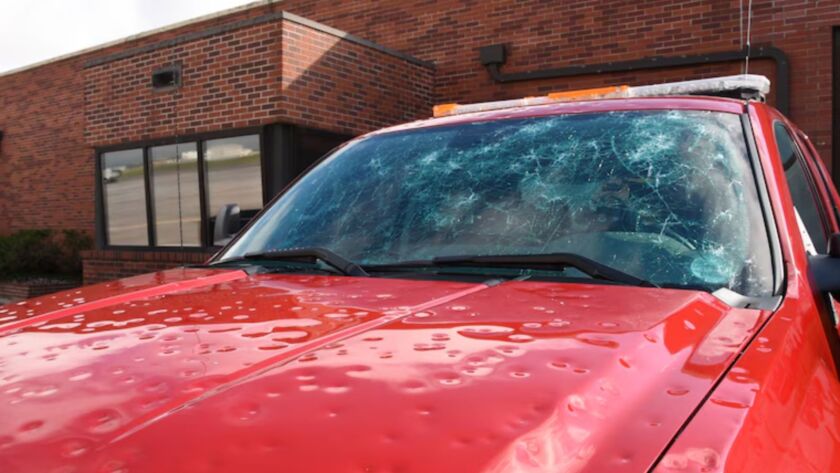
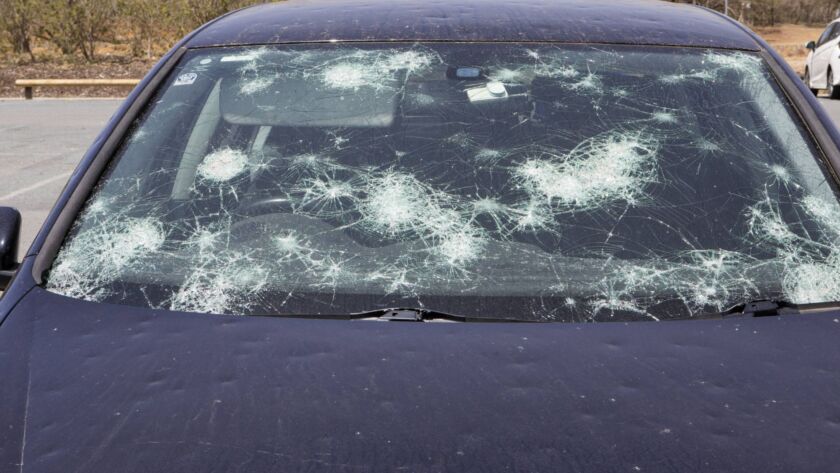
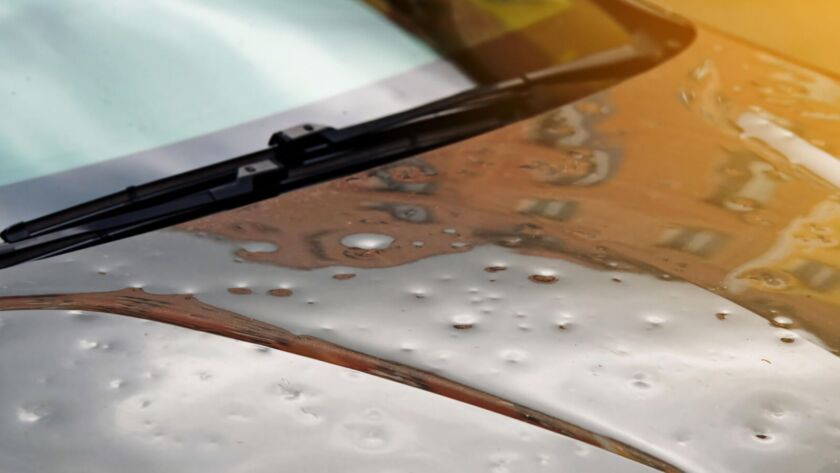
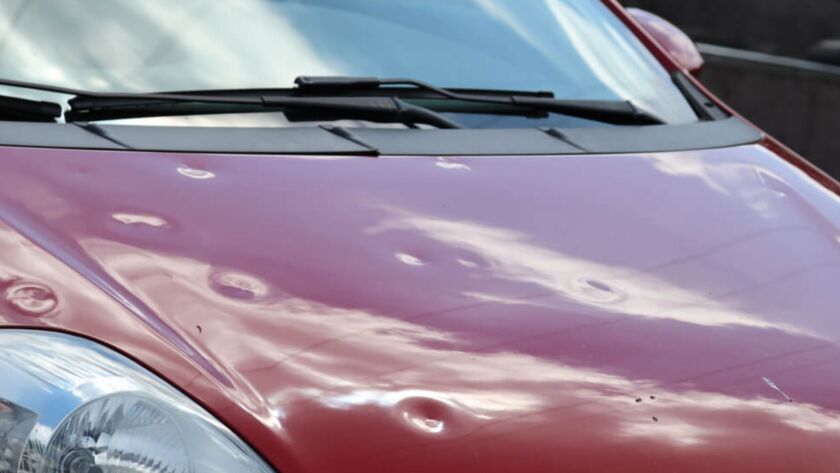
The temptation to skip hail repair is real — your car still drives, the damage is "just cosmetic," and the prospect of insurance paperwork or a deductible is annoying. But unrepaired hail damage costs more than most owners realize. Lower resale value, faster paint deterioration, rust risk, harder…
For a single hail claim, usually no. Hail is treated as an "act of nature" — a comprehensive claim, not an at-fault incident — and most insurers don't raise rates on a single comprehensive claim.
The "usually" matters. Some scenarios do trigger rate increases. Multiple claims in a short window, regional rate adjustments after major…
It depends on the math — specifically, the ratio of repair cost to the vehicle's actual cash value.
If the repair cost crosses a threshold percentage of your vehicle's value, the insurer declares it a total loss. The threshold varies by jurisdiction (typically 70–80% of actual cash value across most US states and Canadian provinces,…
A hail damage claim is one of the most straightforward auto insurance claims you'll ever file — but only if you do it right. The mistakes happen when drivers miss documentation in the first 24 hours, accept the first cash offer, or let the insurer steer them to a shop that's not the best fit…
The honest answer is "it depends on five things" — and the range across those five things is wide. Light hail damage on an accessible vehicle can run a few hundred dollars. Severe hail damage on an aluminum-bodied SUV can run into the five-figure range. Most repairs land somewhere in the middle.
This guide is…
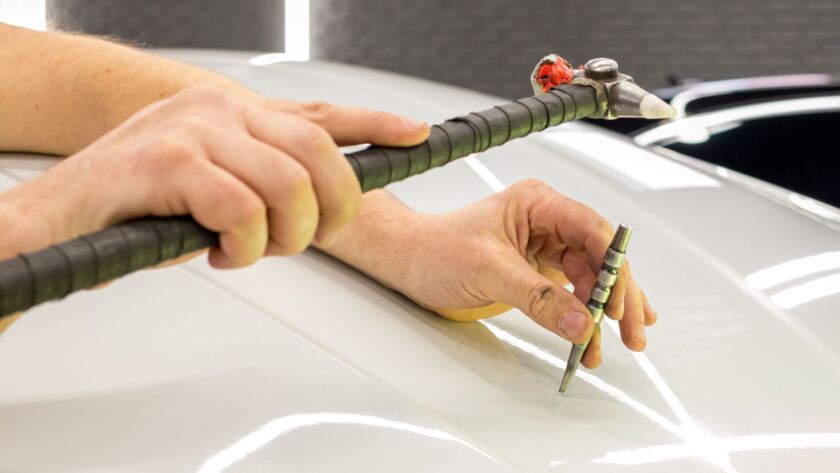
Yes — if the paint is intact. That's paintless dent repair, and it's the right answer for most everyday dents on most vehicles.
The full picture is slightly more nuanced. Some dents look fine but have hidden paint damage that only shows during repair. Some dents have minor paint damage that can be addressed with…